
Deego was born in 2020 not from a business plan, but from a decision that would change everything. Our founder was 24, working a stable job at an international organization, when a question stopped her mid-thought: Where will I be in 10 years? Will that be enough?
She wanted more for her community, for her environment. So she quit. No roadmap. No guarantee. Just purpose.
She started searching for a problem worth solving. The answer was everywhere plastic. In our rivers, our markets, our homes. A global crisis unfolding in slow motion, and in Nepal, almost nobody was offering real alternatives. No awareness. No market. And recycling alone wasn’t working globally, only 9% of plastic ever gets recycled. The rest stays on the earth forever.
So we asked a different question: What if we made products that were eco-friendly, fully compostable, and made right here in Nepal?
We researched. The market gap was real. Conscious consumers were slowly waking up. So we started one eco product at a time. Upcycled accessories, bags, paper pens, bamboo toothbrushes. One by one, we were building something real.
Our first market in March told us everything sustainable living was becoming a movement. The energy from people that day was electric. We left excited, already counting down to the next event.
Then a lockdown happened. Just like that, someone cut our wings before we could fly. But we made a decision: no looking back. This is what entrepreneurship is.
We moved online. Ran campaigns. Prototyped. Learned business from scratch. While the world stood still, we were the busiest we had ever been. With disposable mask waste becoming a crisis of its own, we introduced reusable high-quality masks made by single women and received strong orders even through lockdown.
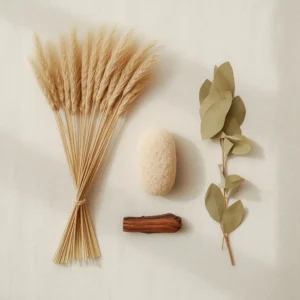
During this time, a childhood memory surfaced ghiraula ko jaalo. The loofah sponge we all grew up using as a body scrubber and for washing dishes, before plastic flooded our markets and pushed it aside. We wanted to bring it back. Backed by research on its skin health benefits and environmental credentials, we spent months in R&D, prototyping and testing. The result Nepal’s first modified loofah body scrubbers and dish scrubbers was loved by everyone who tried them.
Seeing the potential, our founder took it one step further. She requested her parents to use a piece of their land in Bardiya for loofah farming instead of the usual rice harvest. She built bamboo tunnels. Used organic manure. Put in months of effort watching the plants grow strong and healthy.
Then off-season rains came. Not a single loofah survived. So we sourced from local farmers instead collecting loofah that would have otherwise gone to waste, creating income for farming families in the village, while our women’s team crafted the final products in Kathmandu.
That failure taught us more than any success could. And through it all, the comments kept coming “Yo ghiraula ko jaalo bechera kaile unglo lagchau. Etro Masters gareko ei garna lai ho?” Every doubt, every dismissal only gave us more reason to prove them wrong.
Then during lockdown, something unexpected happened while our founder went home to Bardiya and noticed a few baskets sitting quietly in the corner.
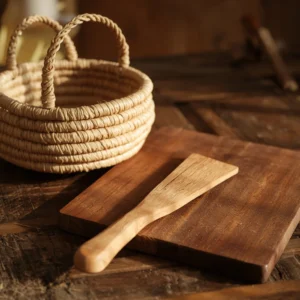
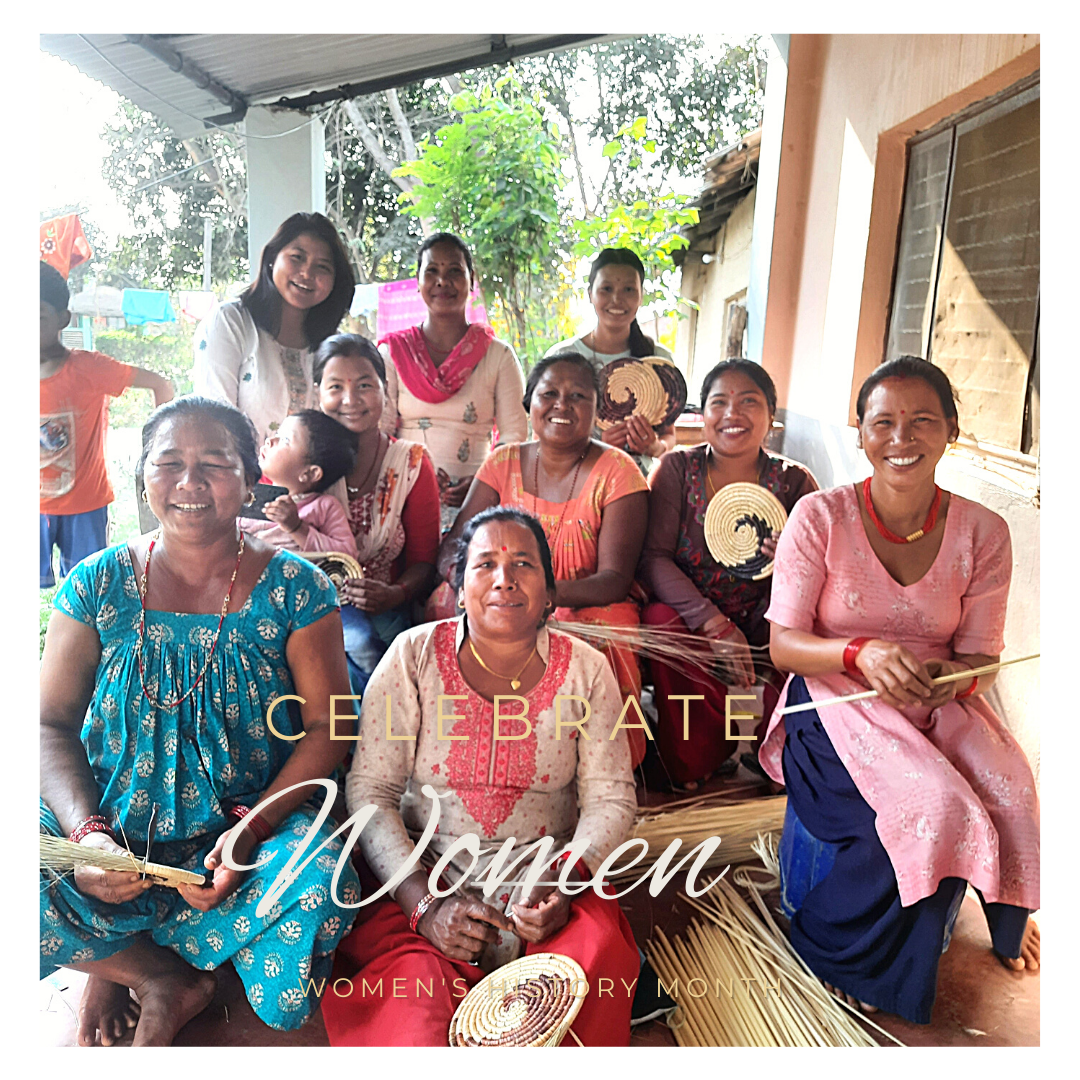
She had grown up watching Tharu women weave moonj, kans other natural into baskets, mats, and everyday objects. Their hands carried knowledge no factory could ever replicate indigenous practices that had existed for generations, sustainable and beautiful, and almost forgotten.
What if we could bring this to the world?
We began working with these women. First one, then two, then more. But it wasn’t easy. Coming from a middle class family as a first generation entrepreneur, the voices of doubt were loud “Who will buy your baskets? Only your artisans benefit. Get a secure job.” Even her own parents, understandably, worried.
But nothing could stop her. Passion, purpose and persistence carried her through and slowly, that dream began touching lives. Today, Deego works with over 100 women artisans across Nepal. 95% of our products are made right here by hand, from natural materials, 100% compostable, replacing plastic that would have otherwise ended up in the earth.
Six years ago, we were one of the only brands promoting sustainable living in Nepal. Now there are more and that means the idea was right.
But Deego was never just about products. It was always about proving that a business could be built on impact that empowering women, preserving indigenous craft, and protecting the environment could be the foundation of something real and lasting.
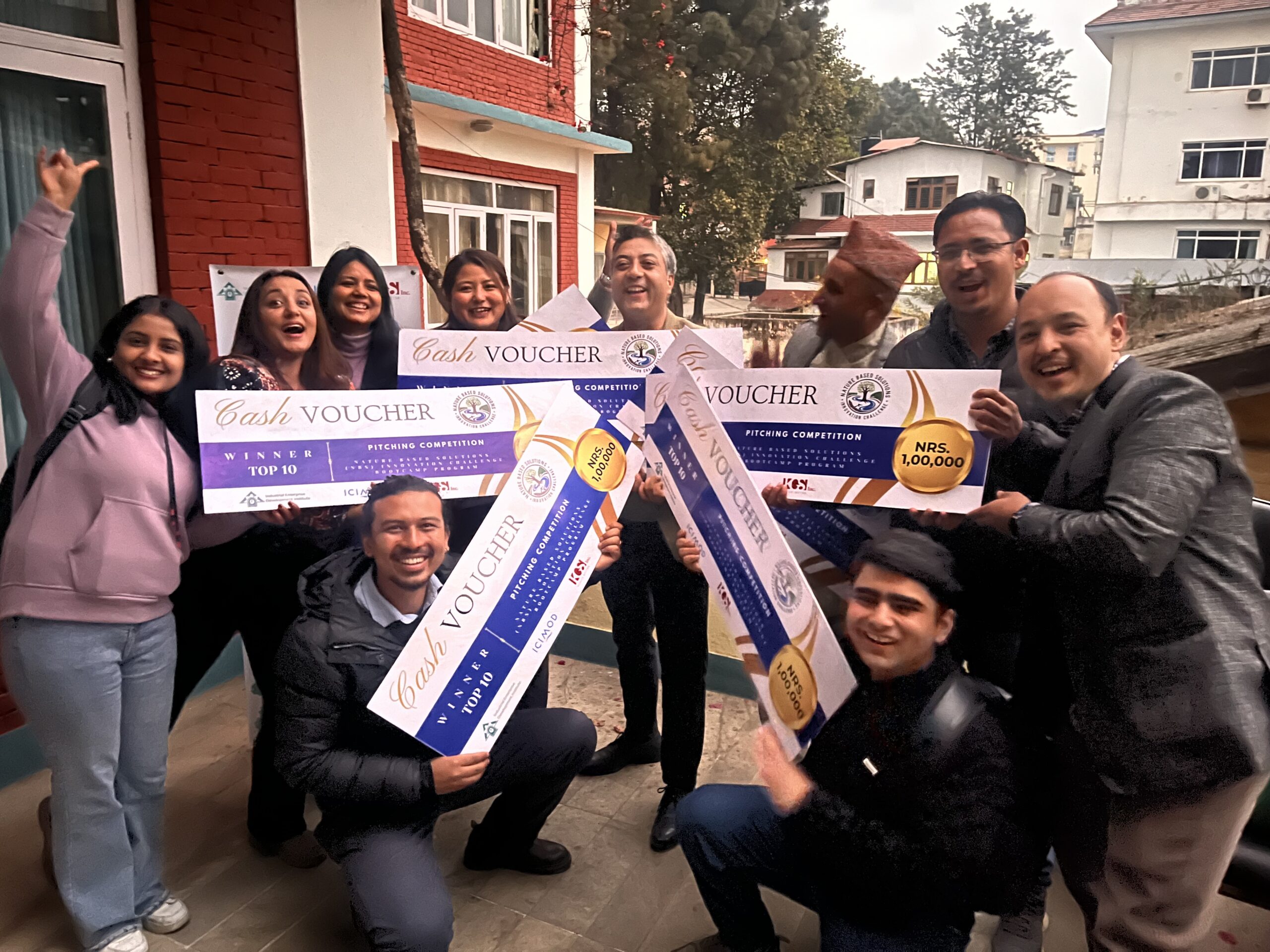
It’s been six years. Awarded, recognised and trusted by many. But we’re just getting started and better every day.
Join our Deego community that cares.
Sustainable lifestyle is a choice and we’re making it easier. Every home deserves a better choice than plastic. We exist to make eco-friendly, handcrafted alternatives accessible across Nepal and beyond while creating dignified livelihoods for women artisans, youth, and local communities who make it all possible.
One product at a time. One household at a time. One conscious choice at a time.
A Nepal where sustainable living is the norm, not the exception. Where indigenous craft is celebrated, not forgotten. Where women artisans and youths thrive where every home has made at least one conscious choice away from plastic.
And beyond Nepal a world where conscious craft made by Nepali hands reaches every corner of the globe, carrying the stories, skill, and heritage of the women who made it.
Deego is the brand taking it there.
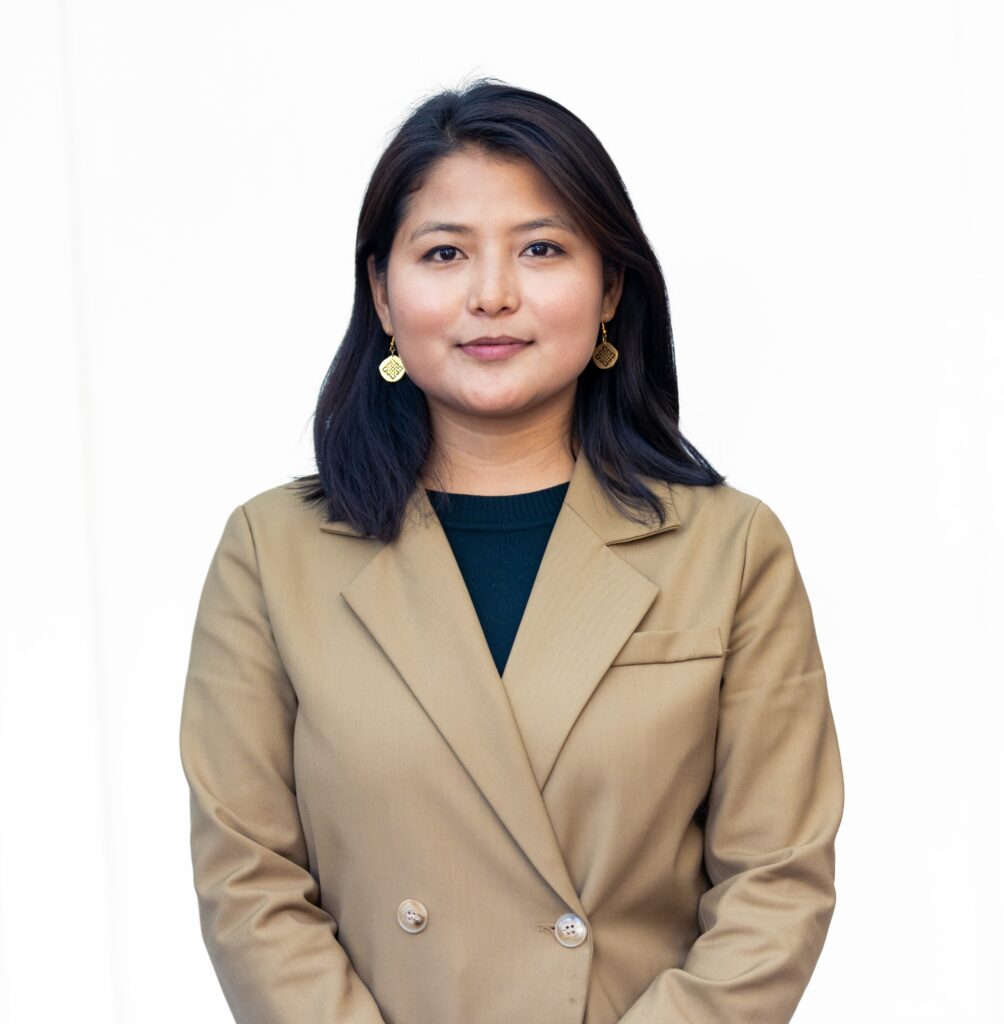
is a social entrepreneur, women’s empowerment champion, sustainability advocate, and business consultant from Bardiya, Nepal. Before founding Deego, she spent years in the NGO/INGO sector working in menstrual health, women’s empowerment, enterprise development, and community mobilisation. She served as President of Sangsangai, a youth-led community development organisation, and as Asia & Pacific Coordinator at DFG. Always driven towards impact she used to volunteer and lead many projects from her earliest college days.
She built Deego Nepal at 24 with nothing but belief and passion, despite many challenges COVID, lack of business knowledge, lack of funds, countless failures, co-founders leaving abroad and has since turned it into an award winning brand changing how Nepal thinks about plastic, craft, and conscious living.
We curate and create products across four categories, Hair Care, Kitchen and Dining, Bags and Accessories and Basket & storage
all designated to help you replace plastic with something that looks better , last longer and feels genuinely good to use.